Your patients are getting the medication.
Are they getting the support?
The WHO's 2025 guidelines are clear - GLP-1 medication works best alongside structured psychological support.
Most services know this, but as yet very few have a credible, evidence-based way to deliver it.
We do.

The gap between prescription and psychological care is widening.
GLP-1 medications have transformed the weight management landscape, but the evidence is clear that medication alone is not enough.
The WHO's 2025 guideline recommends intensive behavioural therapy as a co-intervention for every adult prescribed GLP-1 treatment. JAMA, NICE, and the NHS Healthier You service specification say the same thing.
Most clinical leads already know this gap exists. The challenge is having a structured, trained, and evaluated pathway that can be delivered at scale, within existing teams, without requiring a new hire or a multi-year build.
That is what Eating Freely provides.

of people in weight management services report frequent emotional eating.
"My fiancé was killed in a car accident three weeks before our wedding... I coped by eating to block out the pain."
Only 35.42% of professionals felt adequately trained to support people with obesity.
"We aren't trained in weight management in any meaningful way - it's mostly trial and error."
of staff have no confidence at all to support patients.
"I don't feel confident managing obesity. I end up falling back on generic advice that I know isn't helpful."
Stats from ICB Yorkshire commissioned report - More Than Weight (2025)
Built for the organisations leading the next generation of weight management care.
Whether you run a private weight management clinic, a workplace wellness programme or you are thinking about how to future-proof your GLP-1 treatment protocols, the conversation starts in the same place.
Private Weight Management & T2 Diabetes Services
Clinical standards now require psychological support as part of any responsible programme - it is no longer acceptable to claim it is 'out of scope'. We give your team the training, the patient programme, the tools to deliver it and the framework to evaluate your ROI.
EAP & Workplace Wellness Providers
Emotional eating, weight concerns, and disordered eating behaviours are among the most underserved areas in workplace mental health. Our programme gives providers a structured, evidence-based pathway that supports employees who are struggling - including those who are taking GLP-1 medication.
Health Insurers & Forward-Thinking Payers
The most progressive insurers are already asking how to make GLP-1 coverage more clinically responsible. Pairing medication approval with access to a structured psychological programme is the logical next step - and the evidence for long-term outcome improvement is there. We can help you build that pathway.
Organisation-Wide Impact - Evergreen Active CIC, Wakefield
Evergreen Active CIC delivers NHS-aligned health and wellbeing programmes across Wakefield, funded by Wakefield Council and public health partners. When they integrated the Eating Freely training and programme into their organisation, the impact extended far beyond the intervention they had planned.
Service Transformation
The Eating Freely framework did not stay within one programme. Its tools, reflective questions and behaviour-change principles naturally informed conversations across every Evergreen Active service.
Client Experience
Clients who had never disclosed eating difficulties began to share long-held struggles once safe, compassionate conversations were opened. Weight concerns and 'diet failures' were reframed as coping responses.
Practitioner Skills
The programme deepened how the whole team now understands eating behaviour. This strengthened trauma-informed practice and gave staff the confidence to have conversations previously considered 'out of scope.'
Outcomes & Value
Evergreen Active identified a clear unmet need. By addressing root causes rather than symptoms, the approach delivers what commissioners increasingly require - preventative, person-centred support.
"The Eating Freely approach has not only enabled us to offer specialist support where there is a clear unmet need -- it has improved the quality, depth and compassion of support across all our programmes."

"Eating Freely gave me the skills, knowledge and confidence to approach conversations differently - particularly with men in our programmes... It has changed how we think across the whole organisation."

The outcomes speak for themselves.
The evidence base for our programme is grounded in a systematic review of 47 studies. Our programme has been independently evaluated by Leeds Beckett University.
Leeds Beckett University — Independent Pilot Study
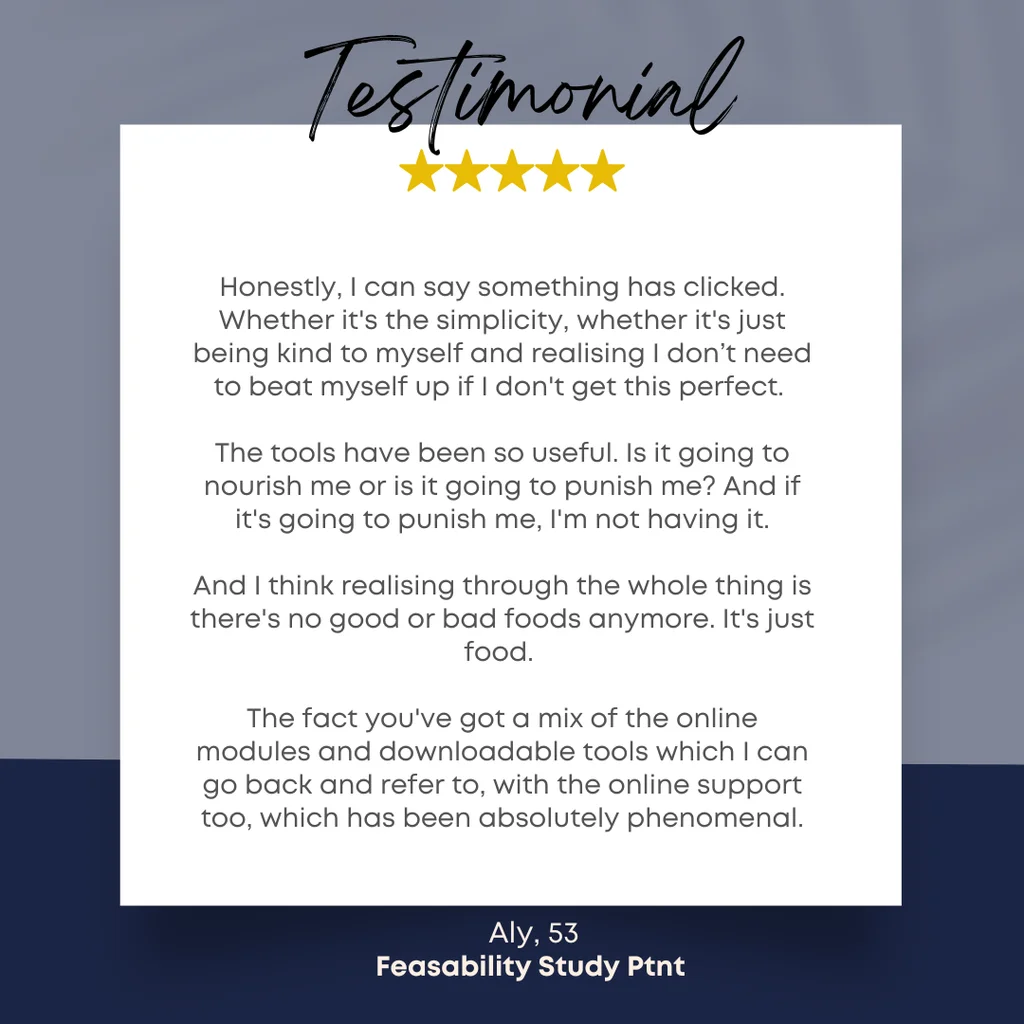
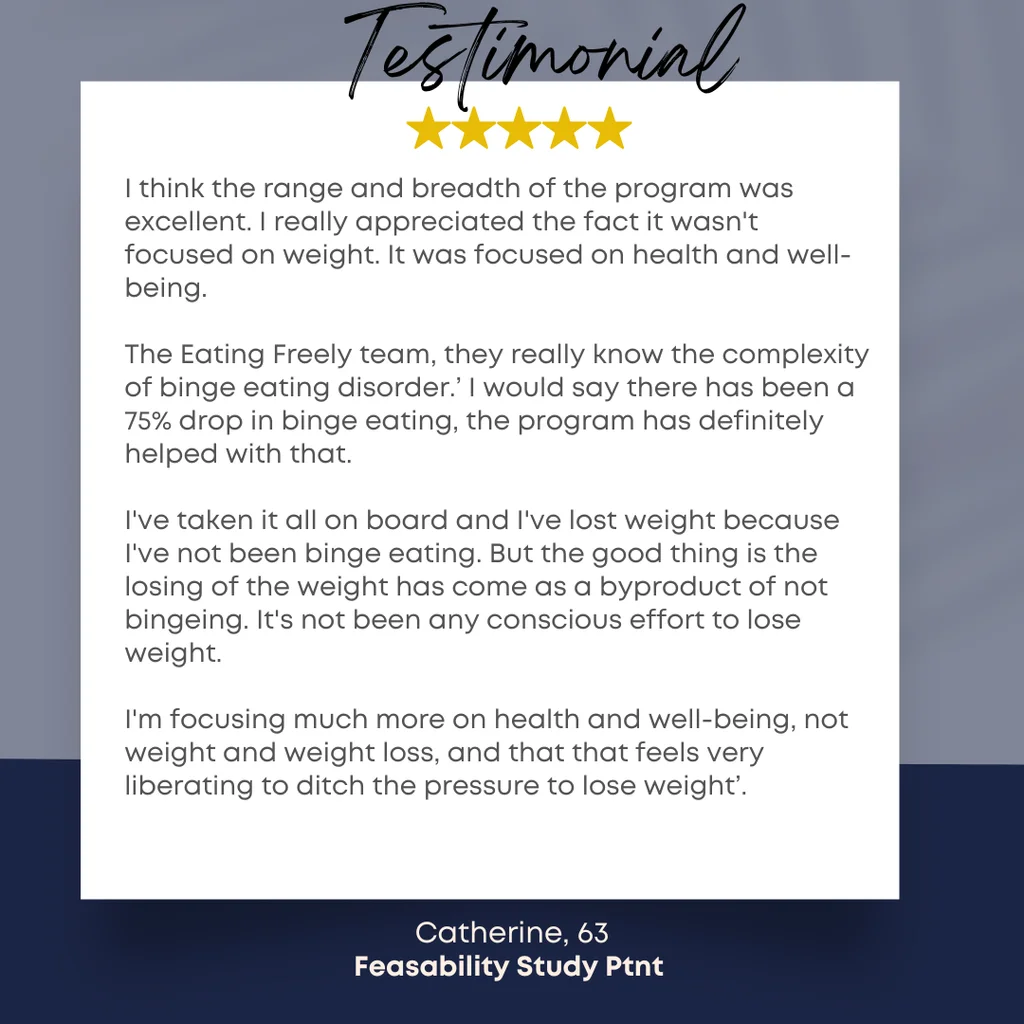
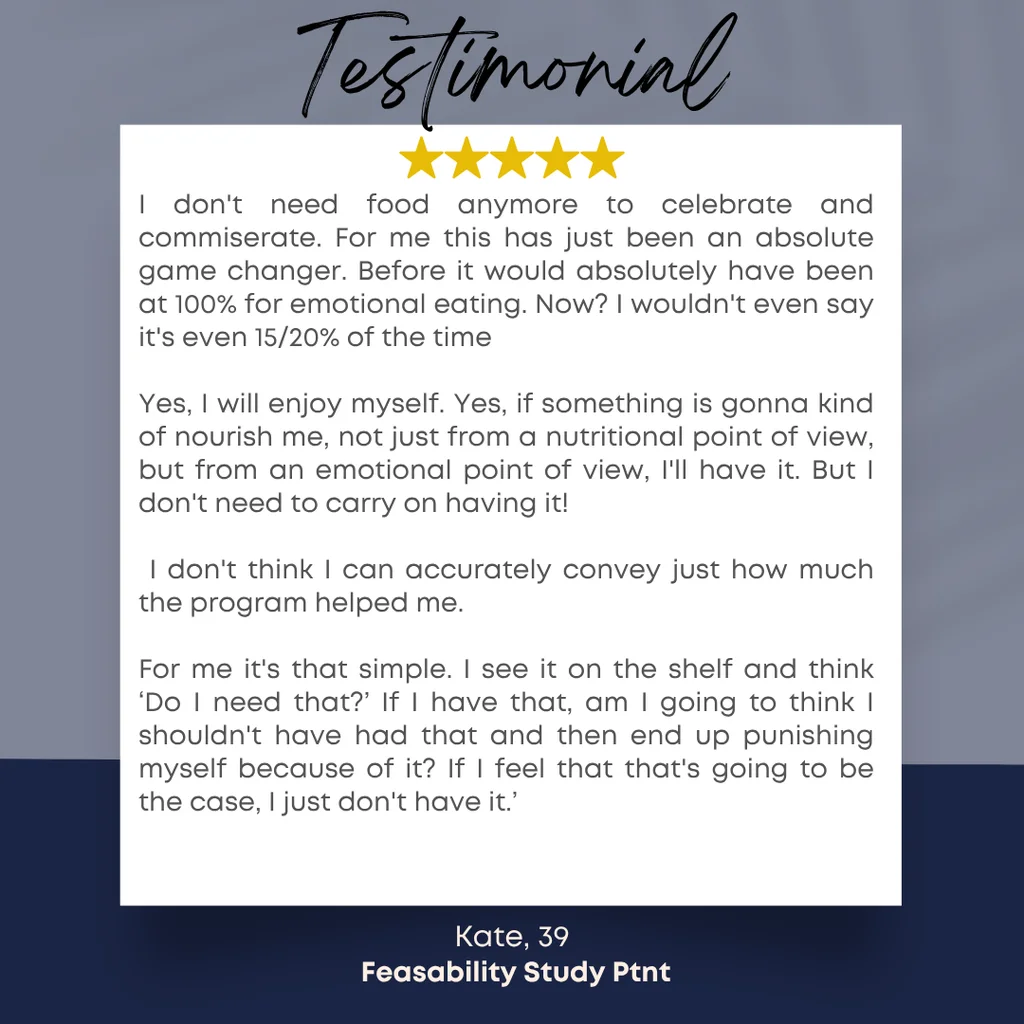
An independent feasibility study evaluated the Eating Freely programme with adults living with obesity and emotional eating, combining validated quantitative measures with in-depth qualitative interviews.
reduction in emotional eating scores
reduction in emotional/binge eating
average weight loss as natural byproduct
Systematic Review — Journal of Human Nutrition and Dietetics (2025)
The Leeds Beckett systematic review analysed 47 studies with nearly 7,000 participants to identify which behaviour change techniques produce the strongest outcomes.
peer-reviewed studies analysed
participants across the review
gold standard techniques identified
"I'd like to see obesity or disordered eating given the same gravity as bulimia or anorexia. I know what's good to eat and what's not good. The problem is in my head."
Eating Freely is the only full solution.
We combine approved practitioner training and a proven patient programme. You do not need to hire a specialist; your existing team can deliver trauma-informed support from day one.
The Programme
A structured, evidence-based programme for adults with emotional eating and binge eating disorder. Delivered 1:1 or in groups, with a full suite of client-facing digital tools, worksheets and resources.
Independently evaluated by Leeds Beckett University and grounded in a systematic review of 47 studies.
The Training
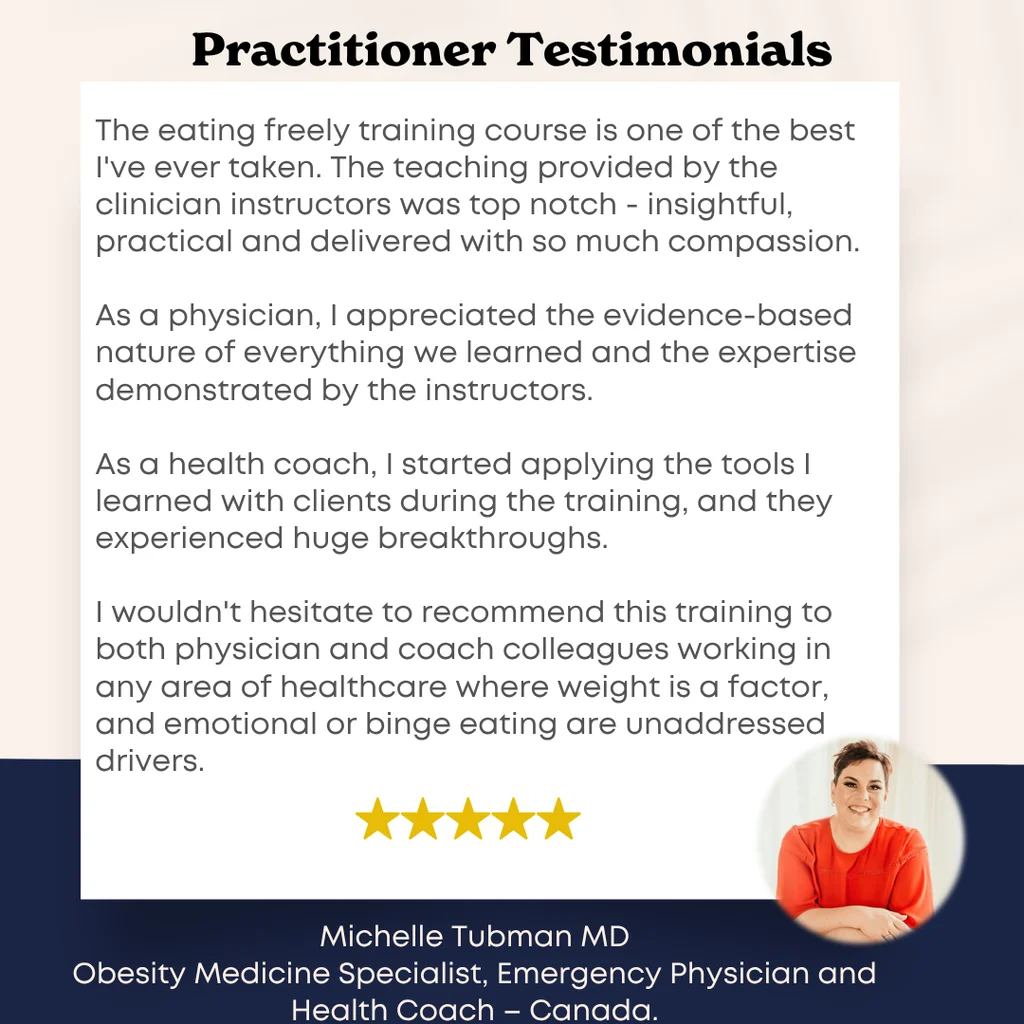
Internationally CPD-approved training that equips your team to assess, support and deliver the programme. Approved by NBHWC and recognised across the UK, US, Ireland and Australia.
Combines live facilitated sessions with self-paced learning. Your team leaves with clinical confidence.
Why This Matters for Your Organisation
Bringing in a specialist eating disorder psychologist costs upwards of £70,000–£90,000 per year in salary alone, and when they leave, their expertise leaves with them.
Building a programme from the ground up requires time, resource and clinical validation that most services simply do not have.
Referring clients out creates gaps, breaks continuity of care and produces outcomes you cannot measure or own.
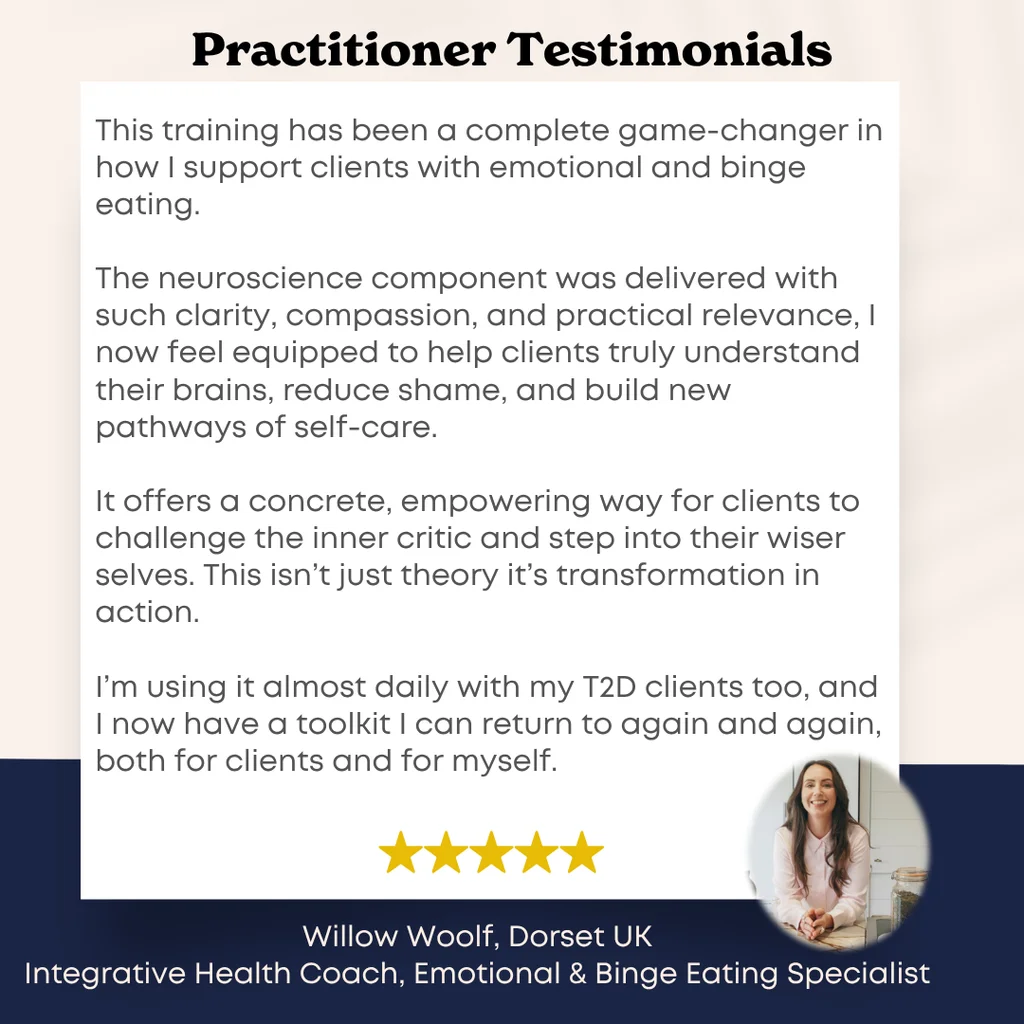
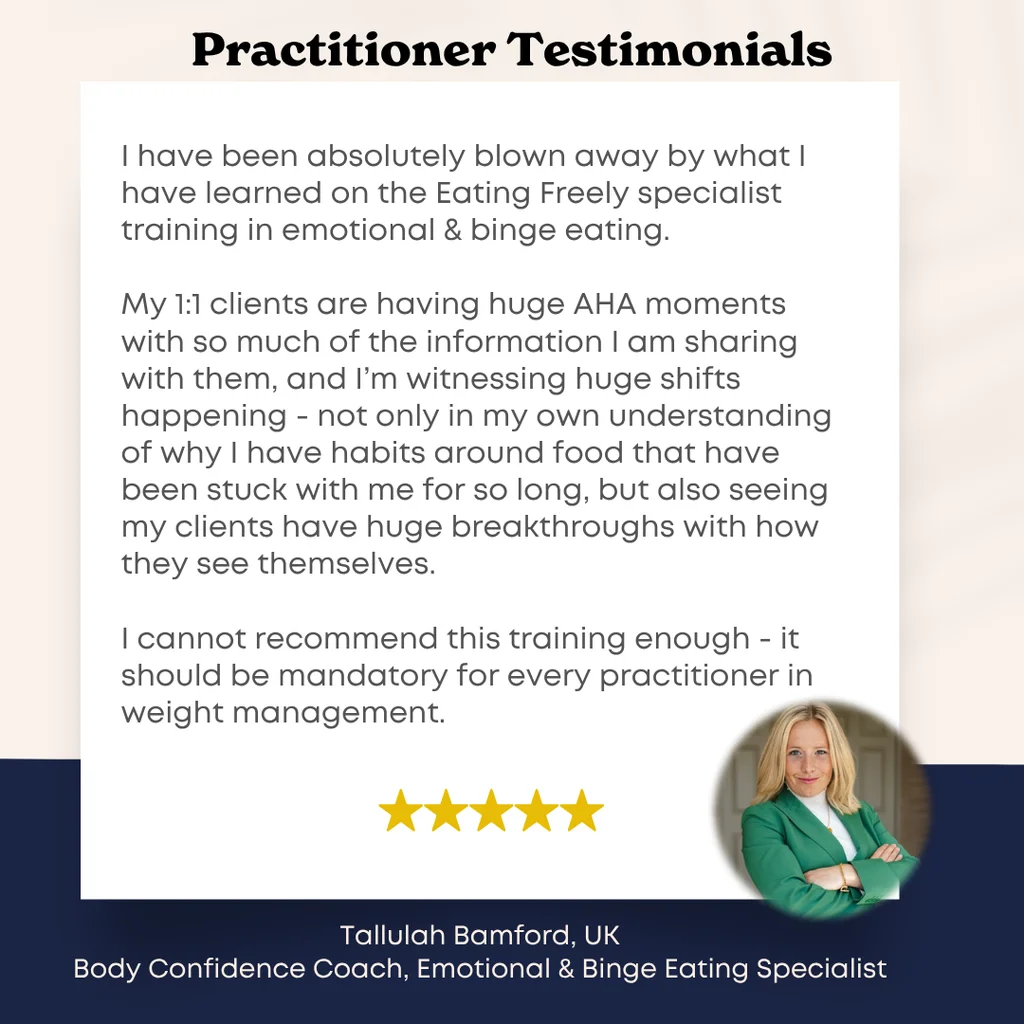
Find the right starting point for your organisation.
Every partnership begins with a conversation. These tiers are a clear way to consider what your service needs now.
Team Training
For services that want their team trained and equipped to have better conversations with patients.
- 1-day facilitated online or in-person training
- 6 self-paced digital training sessions
- Patient resources -- worksheets and handouts
- 12 CPD points per participant
Programme Implementation
Team training plus structured rollout of the Eating Freely patient programme.
- 2-day facilitated training
- 12 self-paced digital training sessions
- 6 live supervision calls
- Full patient programme -- digital tools & videos
Strategic Partnership
For organisations seeking deep integration including white-labelling.
- Comprehensive team training
- Monthly team group supervision
- White-label patient programme
- Programme and service evaluation
For service leads, commissioners, and clinical teams.
Q1. What psychological support should be included in a weight management service or GLP-1 pathway?
Q2. How do you screen for emotional eating and binge eating disorder in weight management services?
Q3. Is emotional eating support required under NICE and WHO guidelines for weight management?
Q4. What does the psychological support gap look like in GLP-1 services specifically?
Q5. What training do weight management teams need to support patients with emotional and binge eating?
Q6. How long does it take to implement the programme in our services?
Q7. Do our staff need a clinical background to deliver the programme?
Q8. Can the programme be white-labeled or integrated into our brand?
Q9. What does the programme cost?
Q10. Is this programme suitable for NHS and public sector organisations?
The conversation starts wherever you are right now.
If you already know you have a gap and you want to talk about how to close it, book a call. If you want an objective, evidence-based picture of where your service stands before you do anything else, start with the audit. Either way, we are here.